

Where to Start Your Birdwatching Journey
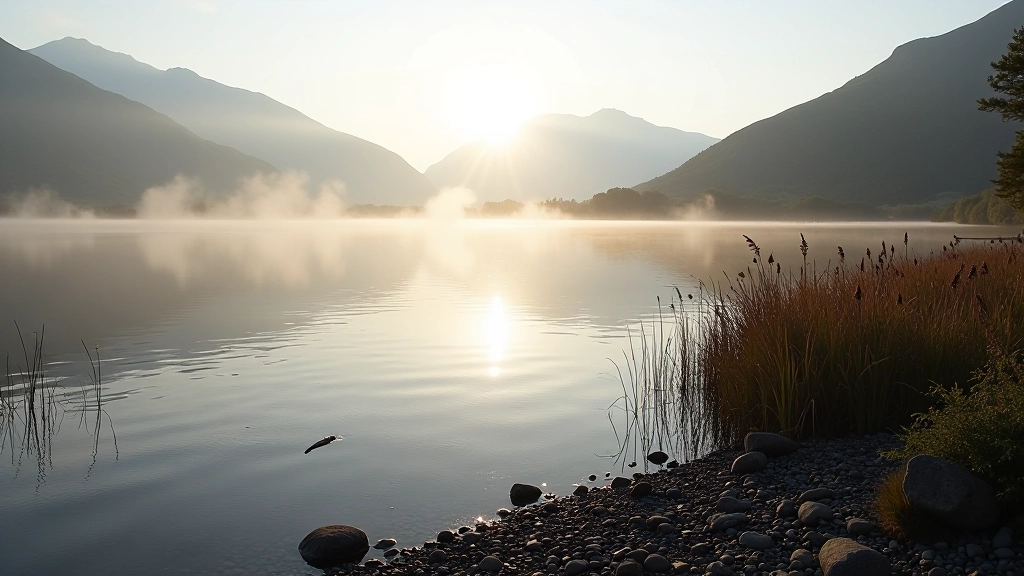
Westmeath's lakes and wetlands create ideal habitats for birdwatching. The peatland areas near Derravaragh Lake offer some of the best year-round opportunities. You don't need expensive equipment to begin — a simple pair of binoculars and patience are enough. Most species here are accustomed to quiet observers, especially during early morning hours when activity peaks.
Start with accessible shore paths where you can sit comfortably. We've found that settling in one spot for 30-45 minutes often yields better sightings than walking continuously. The birds eventually accept your presence when you're still and silent.
Spring and Summer Visitors
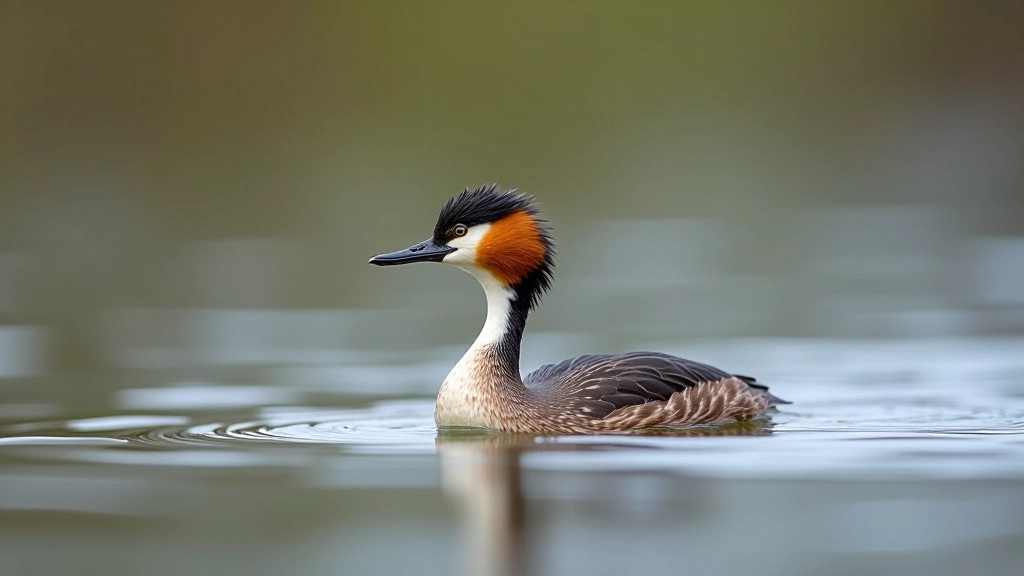
April through August brings migrant species that transform the wetlands. Great crested grebes arrive in spring — you'll spot them with their distinctive head plumes and hear their unusual wailing calls. These birds are visible from the shore and quite tolerant of observers who stay quiet.
Common terns nest around the lakes during this period. They're striking white birds with black caps, and they dive dramatically for small fish. Watching a tern colony is captivating. Reed warblers breed in the reed beds and their rapid, chattering song becomes background music from May onward.
Best viewing times: Early mornings (6-9am) and late afternoons (4-7pm) offer peak activity. Avoid midday when birds rest.
Important Information
This guide is for informational purposes. Birdwatching conditions vary by season and weather. Always check local access guidelines before visiting. If you have mobility concerns, contact local visitor services to confirm accessibility features at specific locations. Weather conditions can change rapidly — bring appropriate clothing and let someone know your plans.
Autumn Movements and Winter Residents
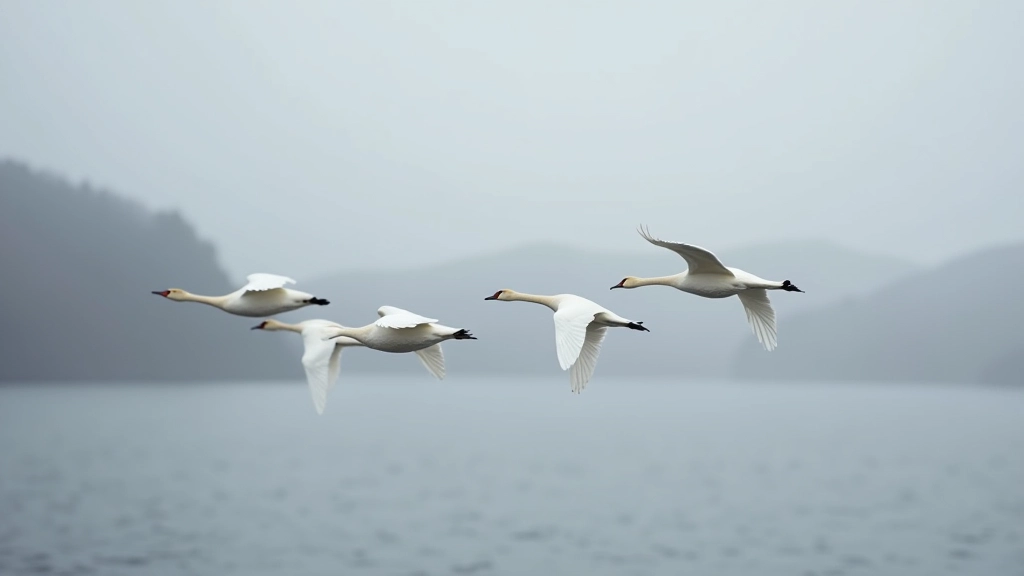
September through November sees migration patterns shift dramatically. Whooper swans arrive from Iceland — listen for their loud, musical calls. You'll see them on open water, often in family groups. Diving ducks become abundant as water temperatures drop and food becomes scarcer in northern regions.
Winter's quieter. It's actually an excellent time for observation because deciduous trees lose their leaves, making birds more visible. You'll spot tufted ducks, pochard, and occasionally rarer grebes. The winter landscape feels more intimate — fewer tourists, clearer air, and birds become bolder in the colder months.
Essential Gear and Tips
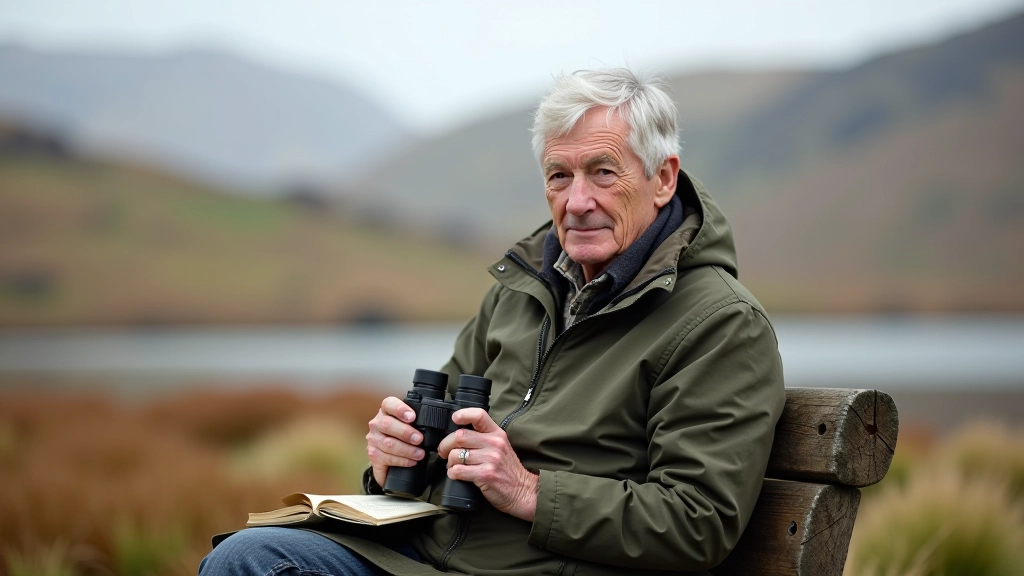
You'll want binoculars with decent magnification — 8x42 is a solid standard that balances power with stability. A field guide specific to Irish birds helps identify species quickly. We recommend one with clear photographs rather than illustrations.
Comfort matters more than most people realize. A cushioned seat, weatherproof jacket, and good footwear transform the experience. Bring a notebook to record what you see — it's surprisingly rewarding to track species over weeks and months. The Westmeath Wildlife Trust publishes seasonal sighting reports if you want to share observations or learn what others have spotted recently.
- Move slowly and deliberately. Sudden motions startle birds.
- Wear neutral colors — greens, browns, grays blend better than bright clothing.
- Listen carefully. Many birds you'll hear before seeing them.
- Visit the same location regularly to recognize patterns.
Local Wildlife Beyond Birds
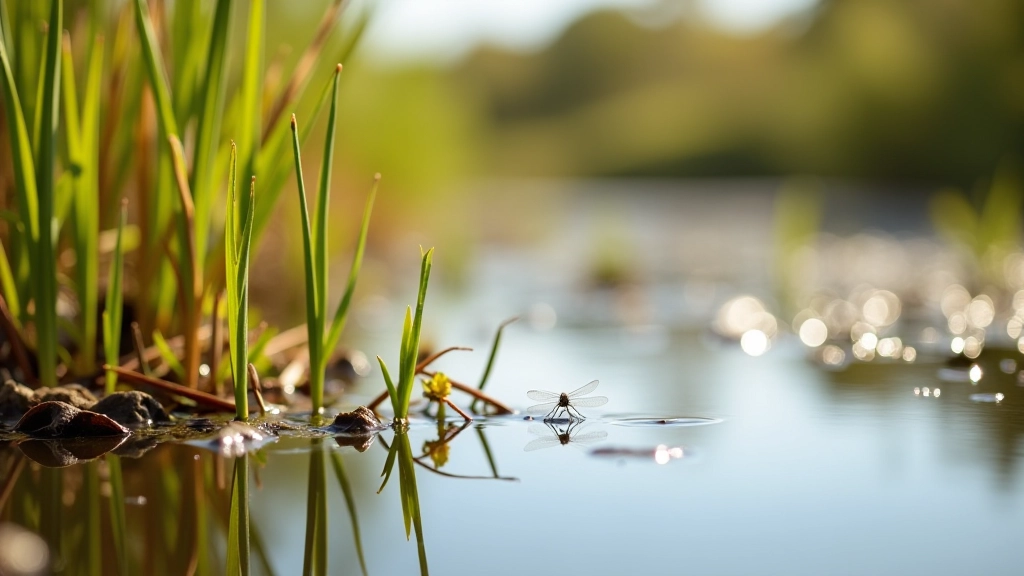
Westmeath's wetlands support rich wildlife. You'll likely spot dragonflies and damselflies around the reeds — summer brings dozens of species in brilliant colors. Water voles create burrows along the banks and occasionally appear on the shoreline. Pike patrol the deeper waters, and their dorsal fins sometimes break the surface.
Otters inhabit these areas too, though they're shy and mostly nocturnal. Early morning walkers sometimes spot otter tracks in soft mud. The peatland vegetation creates habitat for adders and slow worms — both harmless unless provoked. Respecting their space ensures you'll observe them peacefully.
Getting Started This Season
Birdwatching doesn't require special skills or athletic ability. It's simply about being present, patient, and attentive. Westmeath offers accessible locations where you can sit comfortably and let the natural world reveal itself. Start with a single location you can visit regularly. The more you observe, the more you'll notice — subtle behaviors, seasonal patterns, individual bird personalities.
The beauty of this activity is that it works at any pace. You're in control. Some days you'll have remarkable sightings. Other days you'll sit quietly without seeing much — but you'll still hear the water, feel the breeze, and experience genuine peace. That's worth the trip on its own.
Ready to explore more nature experiences in Westmeath?
Browse All Nature Guides