Why Streams Matter for Nature Walks
Mountain streams are something special. They're not just pretty — they're magnets for wildlife, offer cooling breezes on warm days, and create natural places to stop and sit. The sound of flowing water is genuinely calming, and honestly, it's hard to beat watching dragonflies dart over the surface or spotting a heron hunting along the banks.
But here's the thing: streams need respect. The water moves fast during heavy rain, rocks get slippery, and footing matters. We're going to walk you through how to find safe spots, what to look for before you visit, and how seasonal changes affect where you can safely explore.
Before You Visit
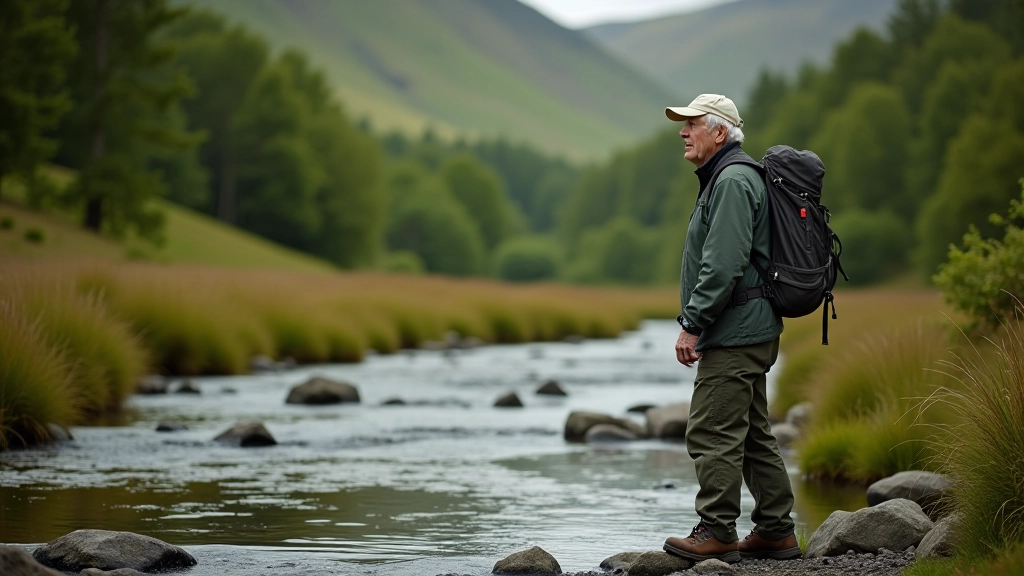
This guide is informational only. Stream conditions change rapidly with weather. Always check local conditions before visiting, wear appropriate footwear, and never venture into water or slippery areas if you're unsure of your footing. If you have mobility concerns, start with well-established, maintained access points.
Choosing Safe Access Points
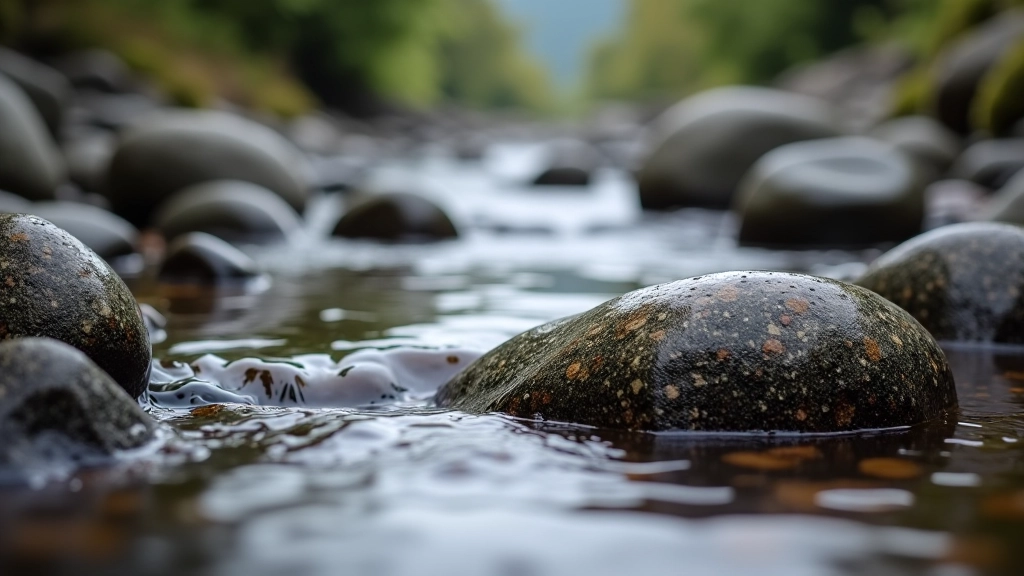
Not every spot along a stream works for safe viewing. You're looking for places where the bank is stable, the ground isn't too steep, and there's actually somewhere to sit without being perched on the edge. A good access point has three things: solid footing, some kind of seating (even a flat rock), and water flow that's calm enough to watch without feeling nervous.
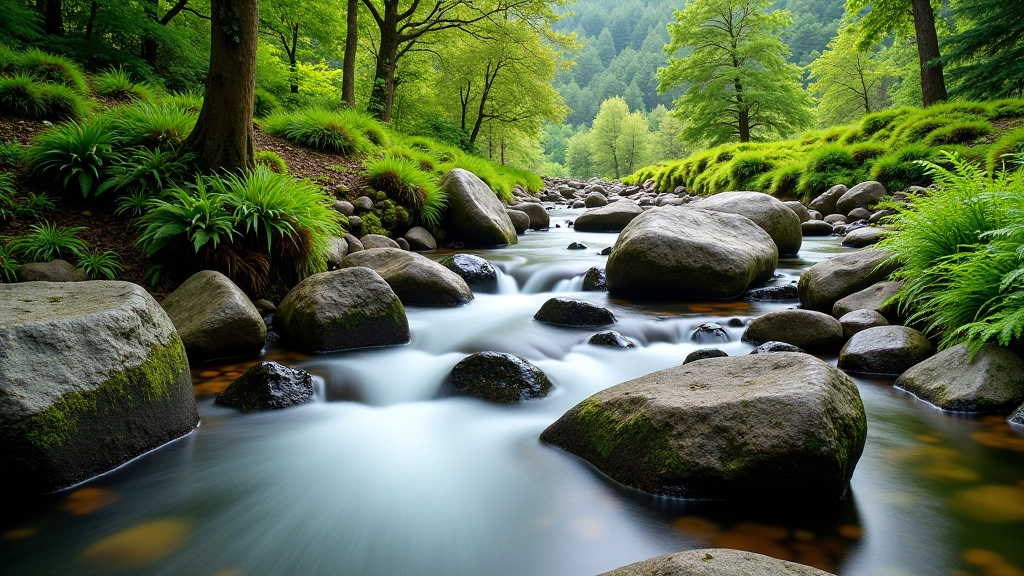
Look for areas where the stream widens and slows down slightly. These are the spots where water eddies around rocks and wildlife actually stops to drink. You'll notice if a path exists — locals tend to use the same routes. If you don't see any evidence of foot traffic, that's often a sign the spot isn't as safe or accessible.
Bank stability matters more than you'd think. Push gently on the ground near the edge with your foot before stepping. If it feels spongy or loose, move upstream or downstream. Stream banks erode, especially after rain, and what was solid last week might crumble today.
Footwear and Footing Essentials
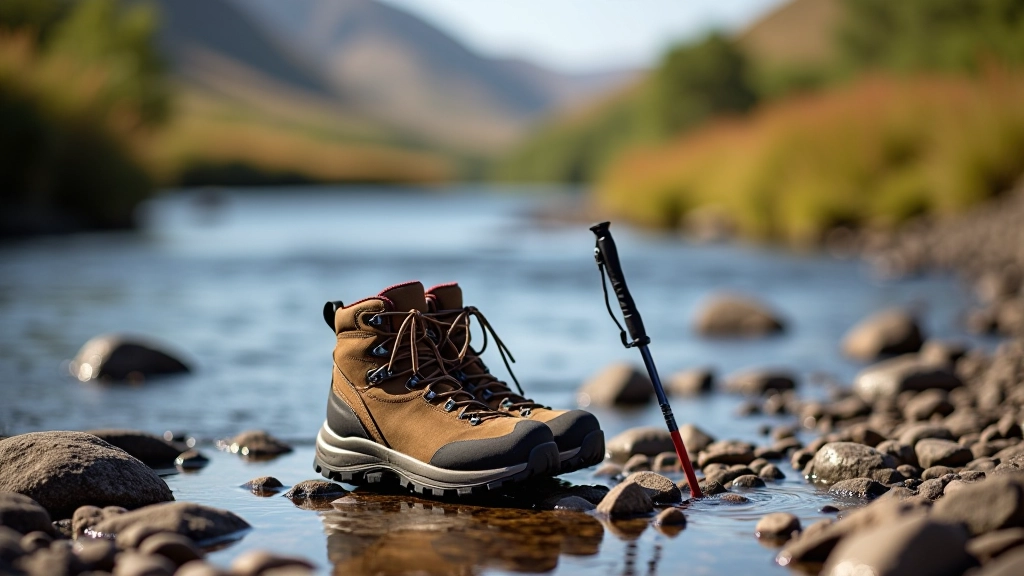
Your shoes make or break a stream visit. Trainers with good tread are decent, but proper walking boots are genuinely better — they support your ankles and keep your feet dry if you step in a shallow bit. Water-resistant hiking boots aren't expensive, and they'll last for years. Some people swear by shoes with grip soles designed for wet surfaces.
Wet rock isn't slippery the way ice is — it's actually more predictable. The issue is confidence. You'll feel more secure with poles (walking poles make a real difference), and they let you test rocks before putting your full weight down. A simple walking stick works too if you don't want to invest in proper poles.
Here's a practical tip: move slowly and deliberately. Nobody's timing you. One foot firmly planted before the other moves. If a rock feels uncertain, skip it and find another route. The stream isn't going anywhere, and there's always an easier path a few meters away.
Weather and Seasonal Changes
Streams change personality with the seasons, and weather has a massive effect on water levels. In spring and early summer, snowmelt makes streams swell — what's a gentle flow in July can be a roaring torrent in May. You'll notice this in Westmeath especially, where the higher elevations feed water down through the valleys.
After heavy rain, water levels rise for 12-24 hours. The water's usually cloudier too, which makes it harder to see rocks and judge depth. If it's been raining, wait a day before visiting if you can. The stream will be safer, and honestly, the visibility is better for wildlife watching.
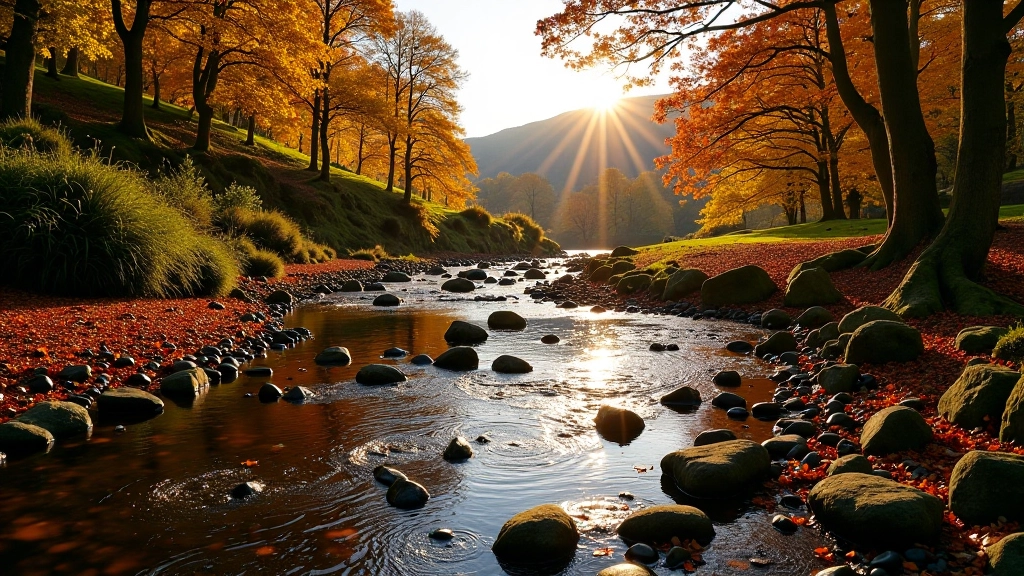
Summer is your safest window — flows are lower and more predictable. Autumn is beautiful but leaves can hide slippery patches. Winter? Streams are usually fine, but frost can make rocks treacherous early in the morning. Spring is spectacular for wildflowers and birdlife, but you've got to respect the water volume.
What to Watch For: Wildlife and Signs
Once you're safely positioned by a stream, the real magic happens. You'll see dragonflies — dozens of them in summer, skimming the surface and hovering. Mayflies emerge from the water in spring and early summer. Fish, if you sit still long enough, will stop being spooked by your presence. Brown trout are common in Westmeath streams, and they're surprisingly bold once they realize you're not a threat.
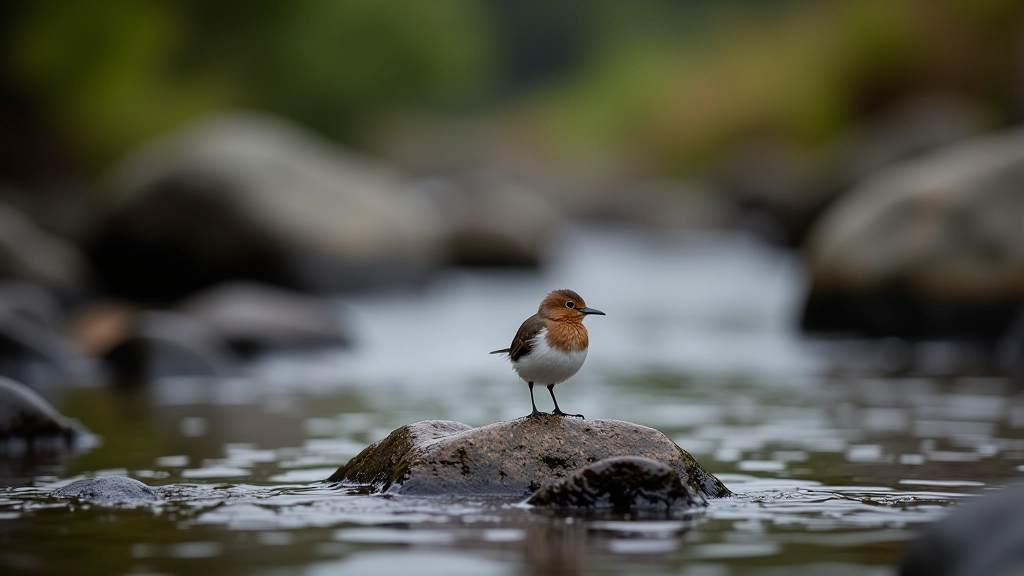
Birds are the real draw. Dippers are almost guaranteed — small grey-and-white birds that literally walk along the stream bottom hunting for insects. Wagtails pick their way across rocks. In spring and autumn, you'll see migrants using the stream as a travel corridor. We're talking warblers, thrushes, and occasionally rarities if you're lucky.
Mammals are harder to spot but signs are everywhere. Look for otter spraints (droppings) on rocks — they're distinctive and mean otters are using the stream. Badger paths often follow streams. In quieter moments, you might hear a water vole splash, though seeing one is genuinely lucky.
Getting Started
Stream visits don't need to be complicated or risky. Pick a calm day, wear proper shoes, move slowly, and choose established access points where you can see the ground clearly. Start with shorter visits — even 20 minutes by a stream is genuinely restorative. You'll develop a feel for safe spots quickly, and you'll find your favorite places to return to.
The best part? Streams are free, accessible, and there's always something new to see. Whether it's a heron fishing, the way light plays on water, or just the sound of flow after a quiet day indoors — streams deliver. Take your time, respect the water, and you'll have experiences you'll actually remember.