
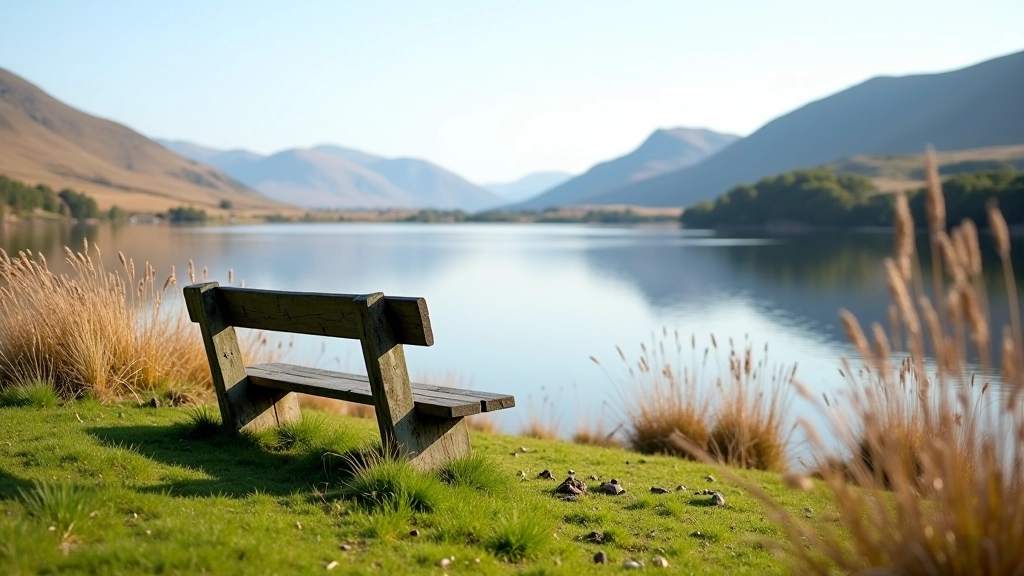
Why Derravaragh Lake Matters
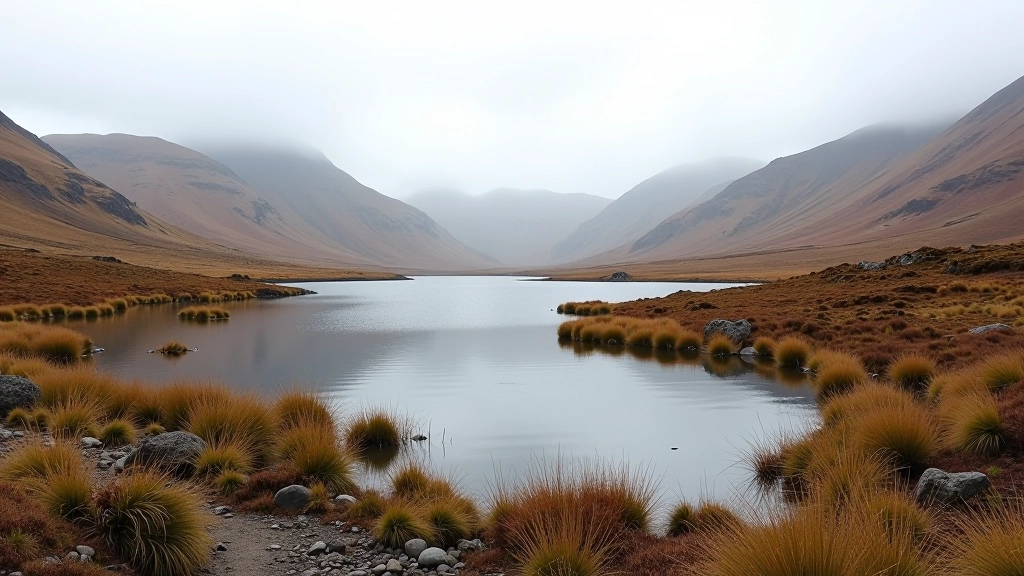
Derravaragh sits in the heart of Westmeath's peatland landscape. It's a place where the light changes throughout the day, where you'll spot waterfowl year-round, and where the walking's honest but never brutal. The lake stretches roughly 7 kilometres across, and the three main routes we've mapped out let you experience different aspects of it — whether that's the quieter northern shore, the busier southern access points, or the gentle woodland sections inland.
What sets Derravaragh apart is accessibility. There's no climbing here. The terrain's mostly level, paths are well-defined, and you've got proper parking and facilities nearby. For people who want to walk properly without fighting the landscape, this works.
The Three Main Routes
We've identified three distinct loops that work well for different days and energy levels. Each one's distinct enough that you won't get bored returning to Derravaragh seasonally.
Route 1: The Northern Shore Loop
Distance: 2 km | Time: 40–50 minutes | Terrain: Gravel path, mostly flat
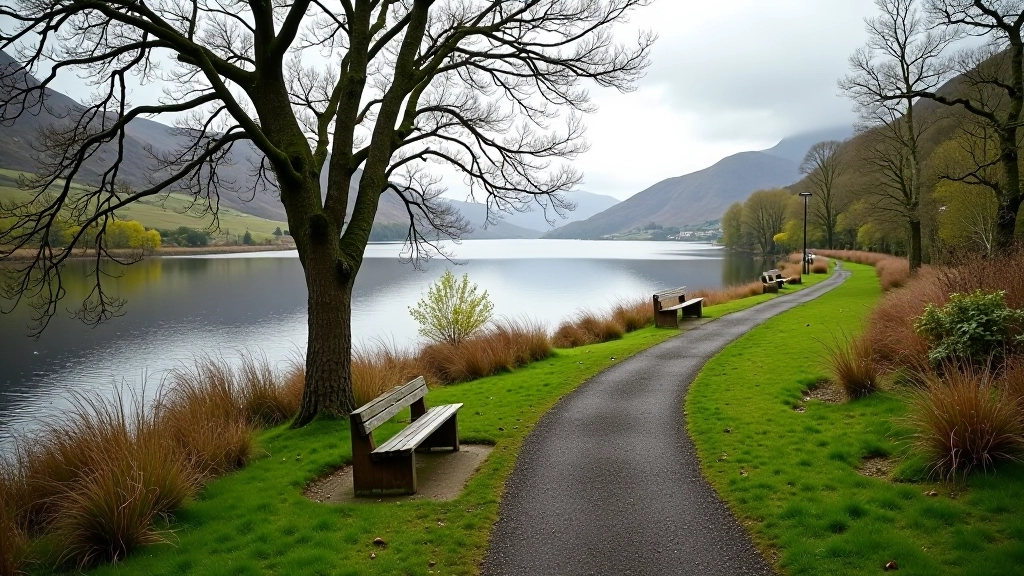
This is the shortest walk, and it's ideal if you're testing your legs on a particular day. You'll park at the northern access point, walk alongside the water with the peatland stretching behind you, and complete the loop without needing to make any navigation decisions. There's a bench at the 1 km mark where you can sit and watch the water.
Route 2: The Eastern Shore Extended
Distance: 3.5 km | Time: 60–75 minutes | Terrain: Mixed gravel and grass, gently undulating
You'll start from the eastern car park and walk inland briefly through lighter woodland, then curve back to follow the shore. The path is wider here, and you'll encounter other walkers regularly. There's a small shelter at the halfway point — it's covered but open-sided, good for a break. The eastern shore catches afternoon light beautifully in summer.
Route 3: The Full Circumference Walk
Distance: 5 km | Time: 90–110 minutes | Terrain: Mixed surfaces, some grassy sections
This one takes you nearly all the way around. You'll experience three different car parks, different vegetation zones, and the way the landscape shifts as you move around the lake. It's not exhausting, but it does require reasonable stamina. Most people find it meditative rather than challenging.
Information Note
This guide provides practical information about the routes around Derravaragh Lake. Conditions vary by season and weather. Always check local forecasts, wear appropriate footwear, and consider your own fitness level before heading out. If you have specific health concerns, speak with your doctor about what's appropriate for you.
Practical Details That Matter
Good planning makes walking better. Here's what you need to know before you arrive.
Getting There & Parking
All three routes have dedicated car parks. The northern access point has about 20 spaces, mostly flat and close to the path entrance. The eastern car park is larger — roughly 40 spaces — and is where you'll find the main facilities. There's no charge for parking at any of them. In peak season (June through August), arrive before 10 am if you want to guarantee a spot near the entrance.
Facilities & Rest Points
The eastern car park has public toilets (open year-round, maintained daily), a small information board, and a water fountain. Along the routes, you'll find benches at regular intervals — usually every 500–800 metres. Most benches have views of the water. If you're doing the 5 km loop, you won't go more than 20 minutes between rest opportunities.
Best Times to Visit
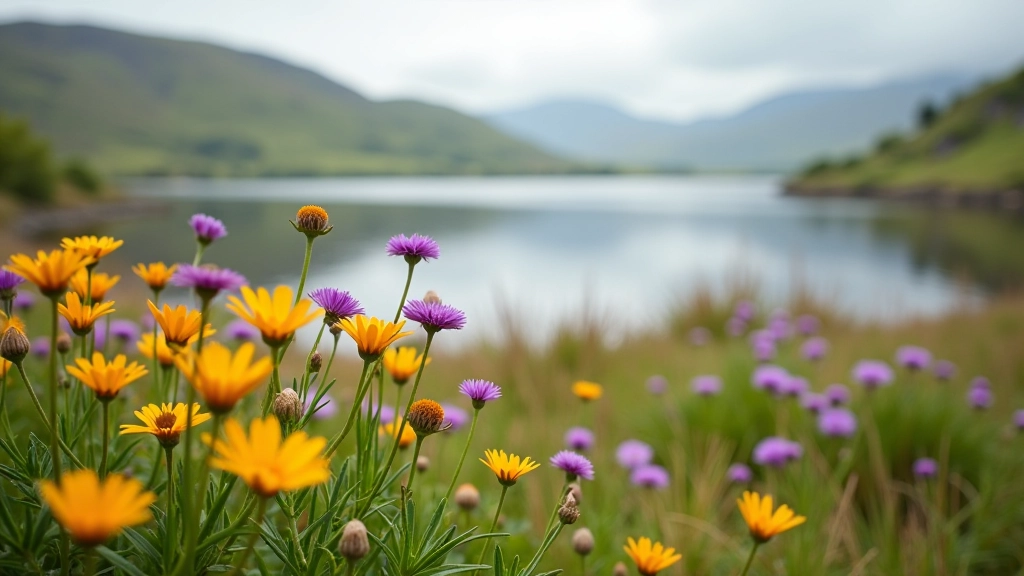
Spring brings nesting birds and wildflowers along the shore — it's quieter and fresher. Summer's busier but the paths are driest. Autumn's probably best if you like solitude; the light's lower and softer, and you've got fewer people around. Winter's fine on dry days, but the paths can get muddy after rain. There's no season where walking Derravaragh isn't worthwhile.
What You'll See Along the Way
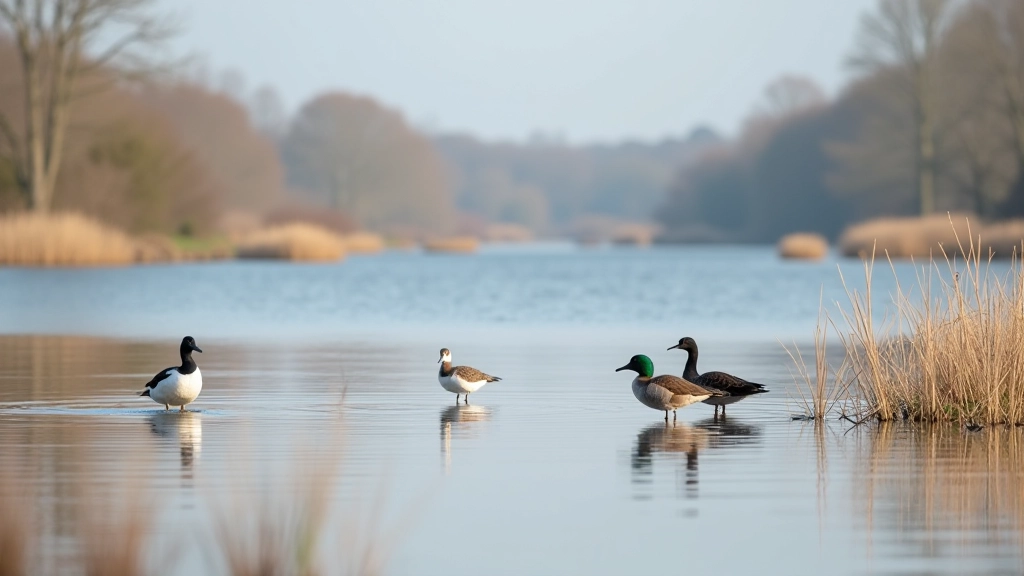
Derravaragh isn't about dramatic scenery. It's subtler than that. The appeal's in noticing things. You'll see shoveler ducks regularly, especially in spring and autumn. In summer, you might spot dragonflies. The light on the water changes constantly depending on the time of day and season. On overcast days, everything feels intimate and close. On clear days, you can see across the full width of the lake.
The peatland around the lake's distinctive. It's low vegetation — no trees blocking your view — so even when you're walking inland sections, you've got sight lines to the water. The reeds along the shore change color through the year, from green through gold to brown. It's worth returning to the same route seasonally just to see how different it looks.
Don't expect excitement. Expect calm. That's what Derravaragh does.
Start Your Walk
These routes work because they're honest. No marketing, no false difficulty claims. The northern loop's genuinely short. The eastern route's genuinely moderate. The full circle's a proper walk but not exhausting. You'll know within the first 500 metres which route suits your day, and that's the point — you've got choice.
Pick a day, check the forecast for rain (the paths handle it fine, but you'll be more comfortable in dry weather), and arrive early enough to settle into the walk without rushing. Bring water, wear proper footwear, and go at whatever pace feels right.