
The Valley's Sacred History
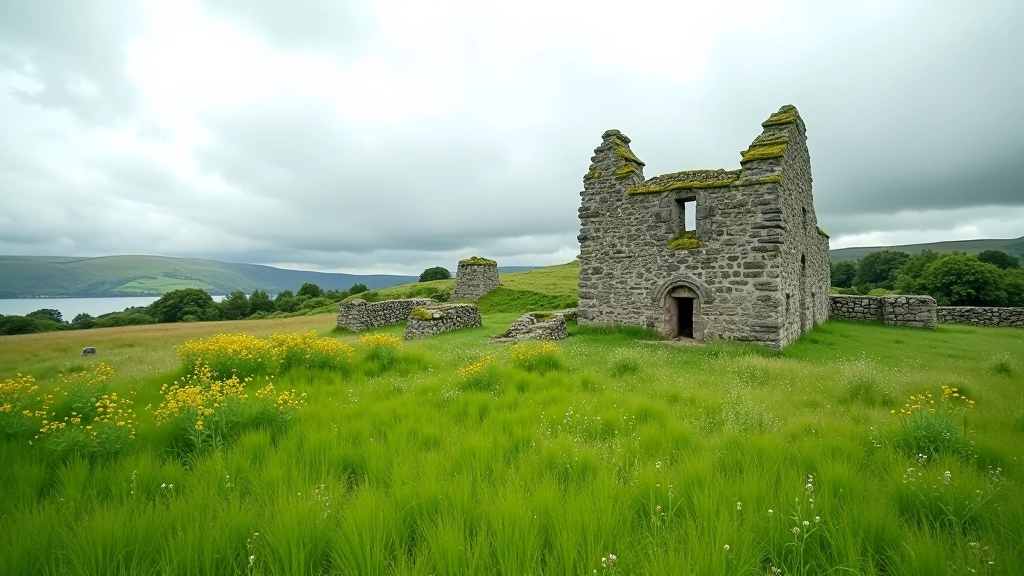
The Fore Valley holds some of Ireland's most important monastic ruins. We're talking about sites that date back to the 7th century. The valley itself — nestled between limestone hills — creates a natural sanctuary. You'll walk through 1,200 years of history across roughly 3 kilometers. Most visitors complete the route in about 2-3 hours with stops.
What makes Fore special isn't just the age. It's how the sites tell a story. Each monastery had different purposes. Some were centers of learning. Others were pilgrimage destinations. By the time you've visited all seven, you'll understand the spiritual landscape of early medieval Ireland.
This guide is informational and educational. Conditions at sites can change seasonally. Check local weather before visiting, wear sturdy footwear, and take breaks as needed. Some ruins are on private land — always respect access restrictions and signs.
Seven Sites to Visit
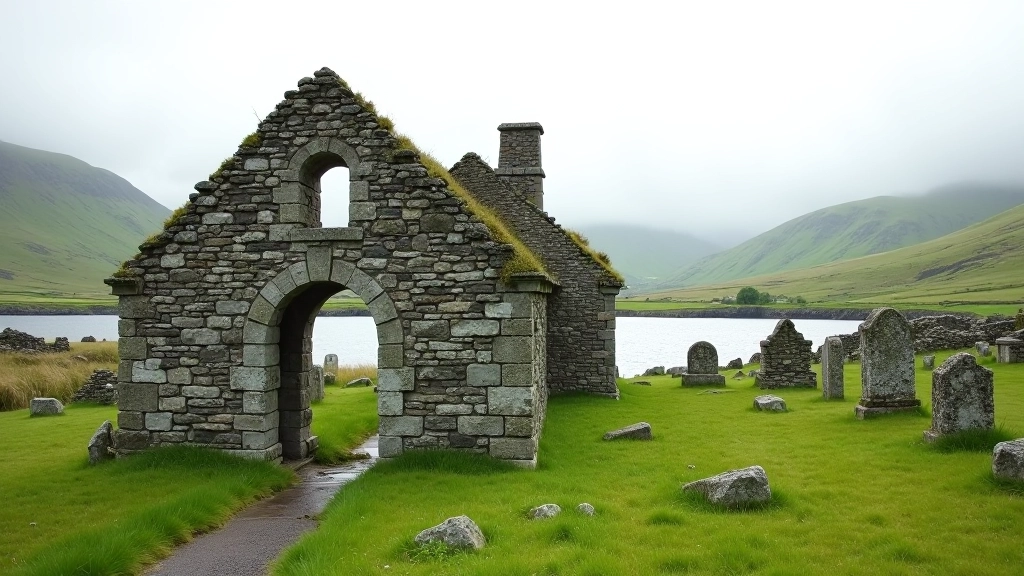
St. Feichtín's Church is where most people start. It's the most accessible and has the best information boards. The church still stands — partially. You can see the original stone work and the remains of the round tower base. This was a major center in the 8th century.
From there, you'll move to the Anchorite's Cell — a small stone hut built into the hillside. It's genuinely moving. An anchorite was a person who chose extreme isolation for spiritual practice. Walking inside that tiny space, you feel the weight of that commitment. Then comes the Holy Well, the Three Stone Church, the Scribe's House, the Hermitage, and finally Fore Abbey — the largest structure in the valley.
Planning Your Walk
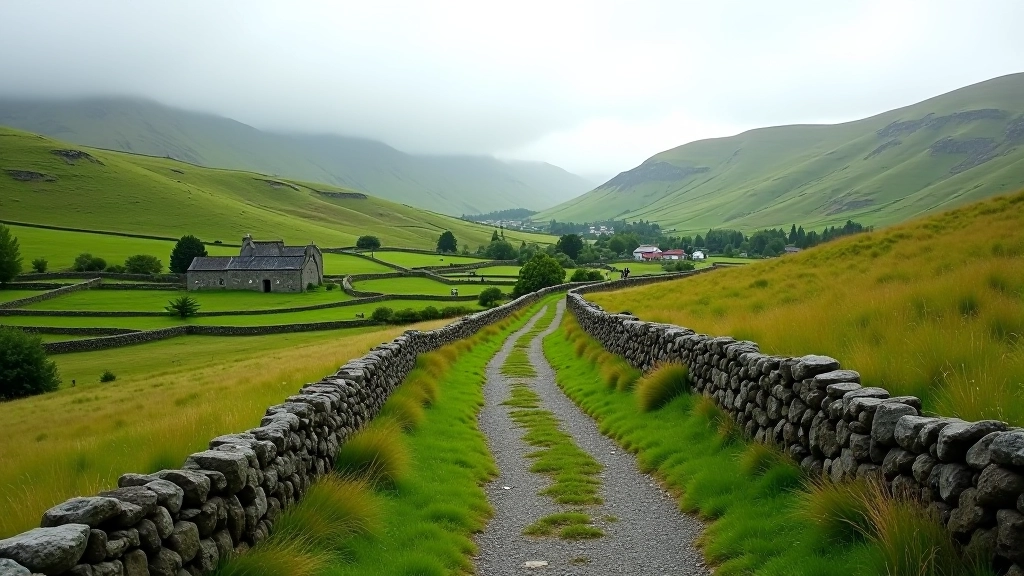
The whole route isn't difficult, but it isn't flat either. You'll have some uphill sections and uneven ground. Wear proper walking shoes — not sneakers. The valley gets muddy in wet weather, so check the forecast. There's limited parking near the main sites, so arrive early if you're going on a weekend.
Bring water and a light snack. There are no facilities once you're in the valley. A good walking map is helpful — you can download free resources from local tourism websites. Don't rush between sites. Spend 15-20 minutes at each one. Read the information boards. Sit with the atmosphere.
What the Sites Tell Us
Medieval monks weren't hiding away in these valleys for no reason. They chose locations deliberately. Fresh water was essential — hence the wells. Defensible positions mattered. The valley provided both isolation and community. Monks would have lived communally, working the land, copying manuscripts, and teaching. Pilgrimages brought people from miles around.
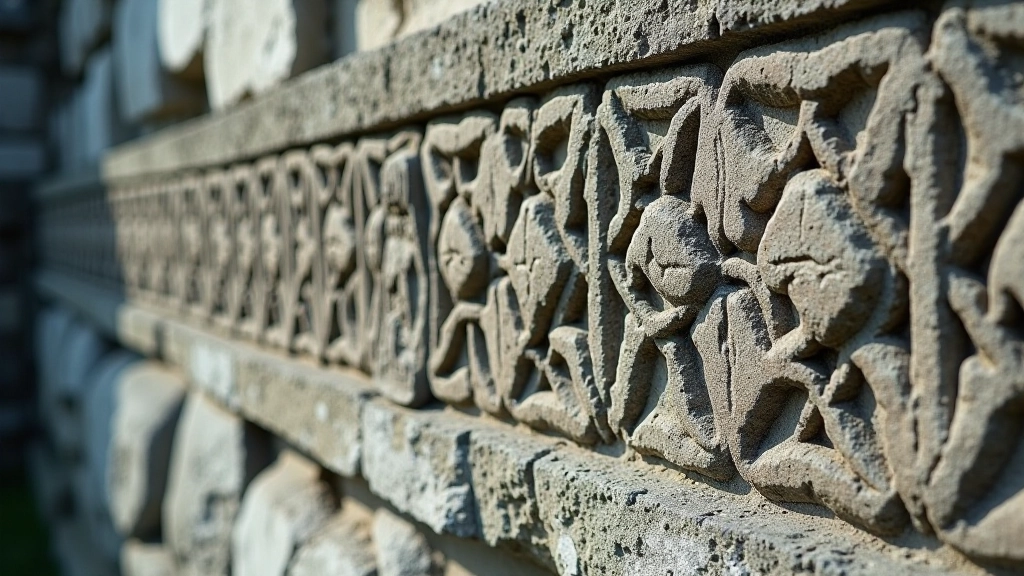
By studying the architectural details — the stone work, the doorway shapes, the window placements — you can see how building techniques evolved. Early structures were simpler. Later ones show more sophisticated construction. It's like reading a book written in stone.
A Walk Through Centuries
The Fore Valley walk isn't a strenuous hike. It's a journey through time. You're standing where people stood a thousand years ago. They faced different challenges, lived different lives, but they were seeking something similar — meaning, community, connection to something larger. The ruins remain as their legacy. Taking a few hours to walk the valley and absorb that history is genuinely worthwhile. It's one of the best ways to understand early Irish history — not from a book, but from the actual ground beneath your feet.
Plan for a comfortable pace, bring proper footwear, and don't skip the smaller sites. They're equally important. You'll come away with a real sense of how people lived and what they valued.